
Explore our FAQ to get straightforward answers about soil health, maintenance, and sustainable practices.
Search by keyword, or scroll down the list and click [+] to expand and[-] to collapse.
- Biochar enters the regulatory mainstream: what the new EU certification means
For years, biochar sat in an awkward space — scientifically promising, commercially emerging, yet institutionally uncertain. That phase is ending. The European Union has now moved biochar firmly into the regulatory mainstream through its new carbon-removal certification framework. This shift matters enormously for farmers, climate projects, soil innovators, and investors alike.
Here is what has changed — and why it is a watershed moment.
From voluntary standards to EU-level recognition
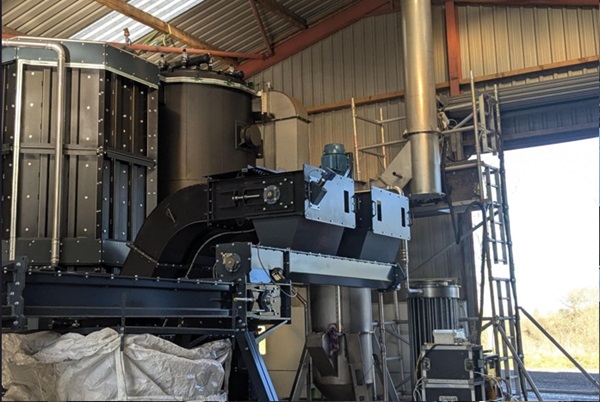
Until recently, biochar quality and climate claims were governed mainly by voluntary standards such as the European Biochar Certificate (EBC). These schemes created important guardrails — ensuring sustainable feedstocks, safe production, and contaminant limits — but they lacked formal regulatory backing.
The EBC, for example, established rigorous criteria so producers could prove environmental safety and product quality, helping users trust biochar in agriculture and materials.
However, voluntary standards alone could not unlock large-scale finance or integrate biochar into national climate policy. Investors, insurers, and regulators needed something stronger: an official certification system defining what counts as real carbon removal.
That system has now arrived.
The breakthrough: EU carbon removals certification

Under the Carbon Removals and Carbon Farming (CRCF) Regulation, the EU has created its first continent-wide certification framework for removing carbon dioxide from the atmosphere.
Crucially, the EU has formally recognised Biochar Carbon Removal (BCR) as one of the core permanent removal technologies — alongside direct air capture and biogenic carbon capture.
In February 2026, the European Commission adopted the first certification methodologies for permanent removals, including biochar. This move:
- Defines what qualifies as a tonne of removed CO₂
- Sets rules for permanence and leakage risk
- Establishes monitoring and verification requirements
- Enables projects to apply for EU certification
In short, biochar is no longer just a promising soil amendment. It is now an officially recognised climate technology.
stablishes rules for monitoring, reporting, verification, and registries of certified removals.
That means biochar projects could eventually produce tradeable carbon credits backed by EU oversight — addressing long-standing concerns about greenwashing and inconsistent quality.
For agriculture and land management, this opens the door to:
- New income streams for farmers
- Payments for soil carbon storage
- Integration with carbon farming schemes
3) Quality standards will tighten
Certification schemes must meet EU criteria and undergo audits.
This will likely favour:
- High-temperature, stable biochars
- Traceable feedstocks
- Measured carbon permanence
- Robust lifecycle accounting
Low-quality or poorly documented biochar will struggle to compete in a regulated environment.
4) Europe is positioning itself as global standard-setter
By launching the world’s first comprehensive certification for permanent carbon removals, the EU aims to lead the emerging removal economy and set benchmarks others may follow.
As with renewable energy standards in the past, EU rules often become de facto global norms.
What this means for the biochar ecosystem
For stakeholders across the sector, the implications are profound:
Producers
- Must align production with certification requirements
- Opportunity to access premium carbon markets
Farmers and land managers
- Potential revenue from certified soil carbon storage
- Incentive to adopt biochar in regenerative systems
Researchers and innovators
- Increased demand for durability science and MRV tools
- Pressure to demonstrate long-term stability
Investors
- Reduced policy risk
- Clearer pathway to scalable projects
The strategic shift: from soil amendment to climate asset
Perhaps the biggest conceptual change is this:
Biochar is no longer just a soil product.
It is becoming a certified climate infrastructure technology.The EU framework recognises that carbon locked into stable biochar can remain stored for centuries — qualifying as a permanent removal when properly verified.
That reframes biochar’s role across agriculture, forestry, waste management, and bioenergy systems.
What to watch next
Key developments likely in the coming years include:
- Recognition of specific certification schemes
- Creation of an EU registry for carbon-removal units
- Integration with carbon markets and climate targets
- Expansion into carbon-farming methodologies
Certification of the first removal units is expected during 2026 as the framework becomes operational.
Summary
Biochar has crossed a critical threshold.
What was once a fringe climate solution is now entering the regulatory core of Europe’s net-zero strategy. The new EU certification framework:
- Provides legitimacy
- Enables investment
- Raises quality standards
- Opens new markets
For the biochar ecosystem, this is not just another policy update — it is the moment biochar becomes mainstream.
- Compost Fractions: how particle size shapes soil behaviour
Quick answer
Compost works in soils according to its particle size distribution and material fractions, not its label or certification. Very fine, humus‑associated material (often present in the <2 mm fraction) can interact strongly with water, nutrients, and microbes under appropriate conditions; intermediate particulate organic matter (a transitional organic state that commonly occurs in the ~2–6 mm range, occasionally up to ~10 mm) continues to decompose; coarse, woody fragments (>~10–15 mm) mainly affect physical structure. These properties influence soil behaviour, but they do not guarantee outcomes.
Intro
Compost is not a uniform material. Its behaviour in soils is governed by the distribution of particle sizes and material fractions created during composting, maturation, and screening. These fractions influence how compost interacts with water, nutrients, and soil biology, but they do not determine outcomes on their own.
This article explains compost fractions as a material property, using HealthySoil canonical definitions. It describes how different fractions behave in soils, the limits of those effects, and why screening and grading matter. It does not prescribe management actions or soil improvement strategies.
The three compost fractions
Across most composted feedstocks, three broad fractions can be distinguished. These are not regulatory categories, but observable material groupings that help explain compost behaviour.
1) Humus‑associated micro‑fraction (typically <2 mm)
Description
The finest fraction consists of very small particles, typically passing a dry 2 mm sieve and often much finer when wetted. This fraction often contains humified organic compounds and may include mineral‑associated organic material, depending on feedstock, processing, and maturity.Observed behaviour
This humus‑associated micro‑fraction has a high surface area and strong interactions with water and ions. In soils, this fraction is commonly associated with altered water retention behaviour, nutrient buffering capacity (CEC), and provision of habitat for microbial communities, subject to soil context.Limits
The presence of this humus‑associated micro‑fraction does not guarantee biological activity, nutrient availability, or long‑term carbon persistence. Their influence depends on soil texture, mineralogy, moisture regime, and system context.2) Intermediate particulate organic matter (PdOM)
Description
This fraction includes partially decomposed plant residues and fibrous material that has not yet been fully stabilised.Observed behaviour
Intermediate organics continue to mineralise in soil, contributing to short‑ to medium‑term nutrient cycling and biological activity. During decomposition, they may temporarily immobilise nitrogen or alter oxygen dynamics at the microscale.Limits
Rates and directions of change depend on environmental conditions and existing soil nutrient balance. Effects cannot be assumed from material appearance alone.3) Woody or bulking fragments
Description
The coarsest fraction is dominated by woody particles and structural bulking agents, typically retained when compost is screened at larger mesh sizes.Observed behaviour
Coarse fragments influence physical structure by increasing macroporosity and resistance to compaction. They contribute carbon slowly and interact weakly with soil water compared with finer fractions.Limits
High proportions of coarse material can dilute water‑holding capacity and may increase short‑term nitrogen immobilisation during decomposition. Structural effects are context‑dependent and not inherently beneficial.Why screening size matters
Screening determines the relative proportions of these fractions. Compost screened to ≤15 mm typically contains a much higher proportion of fines than compost screened to ≤25 mm, where woody fragments may comprise a large share of the material. Screening size affects material behaviour but does not indicate degree of humification or stability on its own.
Compost structure as a soil system property
When incorporated into soil, compost fractions interact with existing soil structure rather than replacing it. Fine fractions tend to associate with soil minerals and aggregates, while coarse fractions act primarily as physical inclusions. The resulting behaviour reflects the combined soil–material system, not the compost alone.
What compost structure can and cannot do
Can:
- Modify water distribution and pore architecture at the aggregate and bulk scale
- Contribute organic inputs with different residence times
- Influence biological habitat availability
Cannot:
Create persistent soil carbon independent of soil context
Override soil texture or mineral constraints
Guarantee nutrient availability or biological outcomes
- STM Management pathways & soil transition
STM Management pathways & soil transition
quick orientation
This page does not tell you what to apply or which system to follow.
It explains what can realistically change in soils once you know where you are in the STM, and what usually cannot.
Use this to avoid false expectations, misapplied inputs, and short‑term fixes that fail to shift soil state.Purpose and scope of this document within the STM
This document defines how soils move between states within the Soil Transition Model (STM). It does not re‑diagnose soil condition or restate mechanisms covered elsewhere. Instead, it sets out the management pathways available once a soil has been placed within the STM framework, clarifying which levers can realistically shift soil state, over what timescales, and within what limits.
The scope is deliberately constrained to controllable management actions. Climate, inherent texture, and parent material are treated as fixed boundary conditions. Outcomes are framed in terms of physical state, water buffering, nutrient flux behaviour, and carbon persistence, consistent with STM assumptions.
The soil transition model: from diagnosis to pathway choice
STM diagnosis places a soil within a bounded state space defined by effective plant‑available water capacity and nutrient flux. Transition pathways describe directional movement within that space under sustained management.
Pathway choice follows diagnosis. Management does not act uniformly across all soils; the same input or practice can produce materially different outcomes depending on starting state. Therefore, pathways are expressed relative to constraint type rather than as universal prescriptions.
Baseline soil states recognised by the STM
The STM recognises a limited number of baseline states sufficient to guide management decisions:
- Structurally degraded soils with low effective water buffering.
- Nutrient‑limited soils with adequate structure but low flux capacity.
- Water‑limited soils where structure exists but storage is insufficient.
- Functionally balanced soils operating near the upper bounds set by climate and texture.
These states are not labels of quality or ideology. They are operational descriptions used to bound expectations and select appropriate pathways.
Management levers available to change soil state
Only a small set of levers can reliably shift soil position within the STM:
- Physical intervention: traffic control, compaction relief, residue handling, and surface protection.
- Carbon inputs with persistence: materials that may contribute to durable soil carbon pools only where stabilisation mechanisms are present; many organic matter inputs increase short‑term biological activity but do not result in persistent soil carbon.
- Water management: drainage, infiltration control, and surface roughness affecting retention and loss pathways.
- Nutrient regime control: timing, form, and placement affecting flux efficiency rather than gross input quantity.
Biological activity is treated as a consequence of these levers acting on physical habitat and carbon persistence, not as an independent control variable.
Transition pathways by soil constraint type
For structurally degraded soils, pathways prioritise restoring aggregation and pore continuity. Early gains typically arise from physical protection and reduced disturbance, with slower improvement linked to the conditional accumulation of persistent carbon fractions, where stabilisation processes operate.
For nutrient‑limited soils, pathways focus on improving retention and buffering rather than increasing headline application rates. Structural stability and carbon‑mediated sorption capacity govern whether added nutrients contribute to sustained flux or rapid loss.
For water‑limited soils, pathways emphasise increasing effective storage through aggregation, pore size distribution, and organic carbon that remains functionally persistent under the given soil conditions Irrigation or rainfall alone does not shift state without corresponding structural change.
For functionally balanced soils, pathways are primarily protective. Management aims to avoid regression through compaction, excessive disturbance, or depletion of persistent carbon pools.
Time horizons, expectations, and limits of intervention
Soil transition is inherently asymmetric in time. Degradation can occur rapidly, while recovery is slower and bounded.
- Physical damage may occur in single seasons; reversal typically requires multiple cycles.
- Increases in effective water buffering lag behind visible surface changes.
- Where it occurs, persistent carbon accumulation operates on multi‑year timescales; many organic inputs do not contribute to persistence.
STM explicitly rejects claims of rapid, universal transformation. Transition is incremental and constrained by starting state and boundary conditions.
Trade-offs, risks, and common failure pe
Common failure modes arise when management actions are applied without reference to starting state:
- Adding nutrients where retention capacity is low, increasing loss risk.
- Increasing organic inputs that decompose rapidly or mineralise without contributing to persistent carbon
- Expecting biological indicators to compensate for unresolved physical constraints.
Trade‑offs are unavoidable. Gains in one axis may temporarily constrain another, particularly during early transition phases.
How to use this document alongside other STM definitions
This document should be read after STM diagnosis documents and alongside material‑specific definitions. It does not replace detailed guidance on compost, biochar, nutrients, or structure, but provides the directional logic that links those components into coherent management sequences.
Used correctly, this article functions as the pathway layer of the STM: defining what can change, how it can change, and what cannot reasonably be expected to change under management.
Trade‑offs are unavoidable. Gains in one axis may temporarily constrain another, particularly during early transition phases.
- Why soil & compost respiration tests cannot prove stable carbon
Why soil & compost respiration tests cannot prove stable carbon
Short answer
Compost respiration tests measure biological activity, not carbon persistence. Low respiration shows that easily decomposed material has already been consumed or is temporarily unavailable. It does not demonstrate that remaining carbon will persist long-term in soil.
What this page helps you understand or avoid
This page helps readers avoid equating compost maturity or low biological activity with long-term carbon stability.
Why this matters in practice
Respiration tests are widely used and easy to interpret incorrectly. Over-reliance can lead to overstated claims about durability or permanence.
What this question actually is
The real question is not “is this material biologically quiet?” It is “what does low biological activity actually tell us?”
What it is often confused with
- Chemical recalcitrance
- Physical protection
- Long-term persistence
Correcting common misinterpretations
- Low respiration does not equal stable carbon
- Finished compost does not equal long-term storage
- Biological quietness does not equal permanence
What the evidence and constraints show
Respiration tests are rate-based, short-term assays. They respond to substrate availability and conditions, not to long-term behaviour across soils and climates.
Summary
Respiration tests are valuable for what they measure. They should not be asked to prove what they cannot.
- Why PAS100 compost composition limits long-term soil persistence
Why PAS100 compost composition limits long-term soil persistence
Short answer
Standard PAS100 compost performs well for sanitation and organic matter recycling, but its material composition limits how long its soil benefits persist. This is not a failure of composting, but a consequence of what PAS100 is designed to optimise. Understanding this boundary helps avoid unrealistic expectations and misuse.
What this page helps the reader understand or avoid
This page helps readers understand why PAS100 compost often delivers short- to medium-term benefits, and why it should not be expected to provide long-term structural or carbon persistence in soil without further material transformation.
Why this matters in practice
Misunderstanding the limits of compost persistence leads to:
- repeated re-application to maintain soil structure
- disappointment when benefits decline over time
- confusion between compost performance and soil degradation processes
Clear boundaries improve decision-making and material choice.
What this issue actually is
PAS100 compost windrows are designed around throughput, aeration, and sanitisation. As a result, their finished material is typically dominated by:
- woody bulking fractions
- partially decomposed organic matter (PdOM)
- only a small proportion of true humus formed late in the process
These fractions perform useful functions but are not inherently persistent once applied to soil.
What it is often confused with
- The assumption that all organic matter fractions behave like humus
- The belief that compost stability automatically implies soil persistence
- Confusing screening size with biological stability
Passing a fine screen does not mean a material has become long-lived humus.
What the evidence and constraints show
Compost-derived PdOM continues to mineralise under normal soil conditions. While it supports biological activity and nutrient cycling, it does not provide enduring aggregation or long-term carbon retention on its own.
This is a structural constraint of compost systems optimised for waste processing rather than material persistence.
Summary
PAS100 compost excels at recycling organic matter but is structurally limited in how long its benefits persist in soil. Recognising this boundary prevents misuse and sets realistic expectations.
- Why biochar replaces wood chip as a bulking agent at compost scale
Why biochar replaces wood chip as a bulking agent at compost scale
Short answer
At compost scale, bulking agents are structural tools, not disposable inputs. Biochar can replace wood chip in this role while maintaining airflow and process control. This substitution improves both material performance and value capture.
What this page helps the reader understand or avoid
This page explains why replacing wood chip with biochar does not reduce composting performance, and why concerns about throughput loss are misplaced when bulking is viewed as a system function rather than a feedstock.
Why this matters in practice
Operators often assume wood chip is essential to maintain porosity and aeration. This assumption can block innovation and prevent higher-value use of woody resources.
Understanding bulking as a functional role opens new system design options.
What this issue actually is
Bulking agents are used to:
- maintain air-filled pore space
- prevent compaction
- stabilise moisture distribution
Wood chip performs these roles within the compsoting windrow, but when woody compost is later added to soil, it degrades slowly over time and contributes little to long-term soil structure.
What it is often confused with
- Treating bulking agents as expendable waste material
- Assuming biological degradability is desirable for structural components
- Believing airflow depends on fibre volume rather than pore architecture
What the evidence and constraints show
Granular biochar provides persistent porosity, resists collapse, and maintains structure through wet–dry cycles. These properties allow it to function as an effective bulking agent at scale without compromising composting control.
At the same time, woody feedstocks can be upgraded before composting rather than consumed as low-value bulking material.
Where this sits within the wider BHC framework
This clarification supports production and stabilisation logic by explaining how compost system design can evolve without sacrificing operational performance.
Summary
Replacing wood chip with biochar as a bulking agent preserves composting performance while enabling higher-value material outcomes. The shift is functional, not cosmetic.
- Using water holding capacity (WHC) as a proxy for humus-like carbon
Using water holding capacity (WHC) as a proxy for humus-like carbon
Short answer
There is no routine laboratory test that directly measures humus or long-lived humus-like carbon. Water-holding capacity (WHC) is sometimes used as a practical proxy because it reflects functional properties associated with humus behaviour in soil. However, WHC is indicative only and cannot, by itself, demonstrate long-term carbon stability. Used carefully, it supports comparison and screening rather than proof.
What this page helps you understand or avoid
This page helps readers avoid treating simple physical tests as proof of long-term soil carbon persistence. It clarifies what WHC can indicate, and where its limits lie.
Why this matters in practice
WHC is easy to measure and often improves as organic materials mature. Without clear boundaries, it is sometimes misused to imply stability or permanence that it cannot support.
What this question actually is
The real question is not “does this material hold water?” It is “can water retention be used as a signal of humus-like behaviour?”
WHC reflects properties such as surface area, functional groups, and colloidal behaviour. These are associated with humus-like material, but they are not the same thing as persistence over time.
What it is often confused with
- Direct measurement of humus
- Proof of carbon permanence
- Evidence of long-term sequestration
Correcting common misinterpretations
- High WHC does not prove long-term stability
- Improved water retention does not equal certified persistence
- WHC reflects function, not residence time
What the evidence and constraints show
WHC can increase as materials become more functionally complex and less biologically reactive. However, WHC alone cannot distinguish between biological processing, mineral protection, or chemical recalcitrance.
Where this sits within the wider BHC framework
WHC is used as an early-stage, operational indicator to support formulation consistency and comparison. It is complemented by stronger evidence when claims move toward durability, standards, or external scrutiny.
Summary
Water-holding capacity is a useful functional signal, not a proof of stability. It supports comparison and development, but it must remain bounded by its limitations.
- Why healthy soil matters beyond plant growth
Healthy soil is often discussed in terms of how well crops grow. Yield, vigour, and visible plant performance dominate most conversations about soil quality. However, this growth‑centred view captures only a fraction of what soil actually does.
Soil is not merely a growth medium. It is a living, multifunctional system that underpins environmental stability, long‑term productivity, and human wellbeing. Focusing on plant growth alone risks misunderstanding soil behaviour and, over time, accelerating degradation rather than preventing it.
This article explains why healthy soil matters beyond plant growth, how broader soil functions operate, and how HealthySoil approaches this complexity without over‑claiming outcomes.
Soil is a multifunctional system, not a single‑purpose input
Soil performs many functions simultaneously. These functions interact, reinforce one another, and sometimes compete. Together, they allow soil to support ecosystems, agriculture, and human societies over long timeframes.
Five core soil functions are widely recognised as central:
- Biomass production – supporting crops, pasture, forests, and natural vegetation
- Carbon regulation – storing, stabilising, and cycling organic carbon
- Habitat provision – supporting diverse soil organisms and food webs
- Nutrient cycling – transforming, retaining, and releasing nutrients
- Water cycling – storing, transmitting, and regulating water movement
Healthy soil is not defined by excellence in just one of these functions. Instead, it is defined by the soil’s ability to perform all of them to a reasonable degree, given its climate, texture, and landscape position.
When management focuses narrowly on maximising biomass production, other functions often decline. Over time, this loss of multifunctionality reduces resilience, increases risk, and undermines future productivity.
Why plant growth alone is an incomplete measure of soil health
Plant growth is a visible outcome, not a direct measure of soil condition. In the short term, crops can perform well even as soil structure, organic matter, and biological function deteriorate.
Examples include:
- High yields maintained through increasing fertiliser inputs while soil organic matter declines
- Strong early‑season growth followed by late‑season water stress due to poor structure
- Productive systems that become increasingly vulnerable to erosion, compaction, or drought
These systems appear leaving healthy, but their underlying soil functions are weakening. When stress increases — through climate variability, reduced inputs, or management change — performance often collapses rapidly.
HealthySoil treats plant growth as one signal among many, not as a definitive indicator of soil health.
Soil functions underpin outcomes beyond agriculture
The importance of soil extends far beyond crop production.
Carbon regulation
Soils store more carbon than the atmosphere and vegetation combined. The stability of this carbon depends on soil structure, biological processing, and mineral associations. Loss of soil organic matter releases carbon to the atmosphere and reduces long‑term soil resilience.
Water regulation
Soil is the largest terrestrial reservoir of freshwater. Its structure controls infiltration, storage, drainage, and runoff. Degraded soils shed water quickly, increasing flood risk, erosion, and pollution, while failing to supply crops during dry periods.
Biodiversity and disease regulation
Soil supports a vast proportion of terrestrial biodiversity. Complex soil food webs help regulate pests and pathogens, buffer nutrient flows, and stabilise ecosystem behaviour. Simplified soils are more prone to disease outbreaks and nutrient losses.
Human health links
Soil influences human health through food nutrition, contamination pathways, water quality, and even pharmaceuticals derived from soil organisms. Degraded soils increase exposure to pollutants while reducing nutritional quality of food.
These functions emerge from soil behaviour, not from yield targets.
Why HealthySoil focuses on behaviour, not outcomes
HealthySoil deliberately avoids defining soil health in terms of guaranteed outcomes such as yield, climate mitigation, or biodiversity gains.
Instead, it focuses on:
- Soil behaviour under given conditions
- Structural stability and aggregation
- Effective plant‑available water capacity
- Nutrient buffering and release dynamics
- Biological processing of organic matter
These are the variables that land managers can realistically influence.
Outcomes such as yield stability, carbon storage, or ecosystem services emerge conditionally from these behaviours. They depend on climate, cropping system, management intensity, and time. Treating them as direct design targets risks oversimplification and unintended consequences.
Multifunctionality explains why degradation is often delayed
One reason soil degradation is difficult to detect early is that soils can temporarily compensate for lost functions.
For example:
- Nutrient inputs can offset declining nutrient cycling
- Irrigation can mask poor water‑holding capacity
- Tillage can temporarily relieve compaction while worsening structure long term
These compensations allow production to continue while soil multifunctionality erodes. Eventually, thresholds are crossed and systems fail abruptly.
HealthySoil emphasises early warning signs and structural indicators precisely because visible failure often comes too late.
Healthy soil is contextual, not idealised
Not all soils can perform all functions equally. Sandy soils in dry climates will never match the water‑holding capacity of deep clays in humid regions. This does not make them inherently unhealthy.
Healthy soil is best understood relative to a reference condition — how a comparable soil would function under minimal disturbance. Degradation is measured by loss of function relative to that baseline, not against a universal ideal.
HealthySoil adopts this contextual view to avoid unrealistic targets and misleading comparisons.
What this means for land managers
Looking beyond plant growth changes how soil is managed:
- Short‑term performance is balanced against long‑term stability
- Structural integrity becomes as important as nutrient supply
- Organic matter quality matters more than simple quantity
- Water behaviour becomes a primary design constraint
The goal shifts from maximising output to maintaining system capacity.
Summary
Healthy soil matters beyond plant growth because soil is a multifunctional system that underpins environmental stability, resilience, and human wellbeing.
Plant performance is an outcome, not a definition.
HealthySoil focuses on soil behaviour and constraints that land managers can influence directly. These behaviours enable wider ecosystem and planetary functions, but they do not guarantee specific outcomes. By maintaining soil multifunctionality at the behavioural level, the conditions for long‑term productivity and environmental health are preserved.
This distinction — between enabling conditions and claimed outcomes — is central to understanding what healthy soil really means.
- Fertilisers and their role in soil
Fertilisers and their role in soil
Short answer
Soil fertility and fertilisers are not the same thing. Regulated NPK fertilisers supply nutrients, but soil fertility depends on how nutrients interact with soil structure, retention processes, and biological activity under specific conditions. Different farming systems use the term fertiliser in different ways, but fertility ultimately reflects soil function rather than inputs alone. Biochar is not a fertiliser under regulation, yet it can influence how applied nutrients behave in soil.
Introduction
The word fertiliser is widely used but rarely well defined. In conventional agriculture, it typically refers to regulated products supplying nitrogen, phosphorus, and potassium (NPK) with strict labelling requirements. In organic and regenerative systems, fertiliser is often understood more broadly as any input that improves soil fertility, even if it does not directly supply soluble nutrients. Technology-driven approaches sit somewhere between these views, seeking precision nutrient delivery while improving efficiency and reducing losses.
This article clarifies how fertilisers function within soil systems, how different definitions arise, and why fertiliser alone does not equal fertile soil.
NPK fertilisers: regulation and strict labelling
NPK fertilisers are tightly regulated in the UK and EU. Labels specify nutrient form, concentration, and application guidance, allowing accurate nutrient budgeting and compliance with environmental rules. This clarity underpins conventional nutrient management strategies and crop yield optimisation.
However, these same regulations mean that materials which do not declare nutrient content — even if they strongly influence nutrient behaviour in soil — are not classified as fertilisers. Biochar, compost structure materials, and biological carriers fall into this category.
The broader, functional definition of fertilisers
Outside formal regulation, fertiliser is often used to describe anything that increases plant growth or soil fertility over time. This may include:
- Organic matter inputs such as composts and manures
- Mineral amendments that alter pH or nutrient availability
- Biological inputs that influence nutrient cycling
From this functional perspective, fertility is not just about adding nutrients but about enabling soils to retain, cycle, and supply them when plants need them.
How fertilisers interact with soil systems
Fertilisers — whether mineral or organic — do not act in isolation. Their effectiveness depends on several interacting soil properties:
- Nutrient supply: the amount and form of N, P, K, and micronutrients added
- Nutrient retention: soil organic matter, clay content, and cation exchange capacity
- Biological processing: microbial immobilisation, mineralisation, and root–microbe interactions
- Soil structure: aggregation, porosity, and water–air balance affecting root access
Soils with poor structure or low biological activity may lose applied nutrients rapidly, while healthy soils often deliver greater returns from lower fertiliser inputs.
Efficiency, losses, and unintended consequences
Poorly matched fertiliser use can lead to leaching, volatilisation, runoff, and reduced biological function. Excess soluble nutrients may temporarily boost yields while degrading long-term soil performance.
More integrated approaches aim to reduce losses by improving soil structure, increasing organic matter, and aligning nutrient release with plant demand.
Biochar as a supporting soil amendment (cross-reference)
Biochar does not meet the regulatory definition of a fertiliser because it does not supply declared amounts of N, P, or K. However, it strongly influences fertiliser performance by:
- Retaining applied nutrients and reducing leaching
- Providing habitat for nutrient-cycling microbes
- Buffering soil pH
- Improving aggregation and porosity
In some formulations, biochar is blended with nutrient sources to create biochar compound fertilisers that do meet NPK labelling requirements.
→ See dedicated biochar content: Biochar in healthy soil (internal link).
Conclusion
Fertilisers are essential tools, but they are not synonymous with soil fertility. Regulated NPK products supply nutrients, while soil fertility emerges from how those nutrients interact with soil structure, organic matter, and biology.
Understanding fertilisers as part of a wider soil system helps explain why similar inputs can produce very different outcomes across soils — and why building soil function is central to nutrient efficiency and long-term resilience.
Glossary (excerpt)
- Fertiliser: A regulated product supplying declared plant nutrients.
- Soil fertility: The soil’s capacity to supply nutrients, water, and biological support to plants.
- NPK: Nitrogen, phosphorus, and potassium.
- Soil amendment: Any material added to soil to improve physical, chemical, or biological properties.
Note: Full definitions are held in the central Glossary & Definitions page (marked “Incomplete” until all pillars are finalised).
- Persistent Pharmaceuticals in Biosolids and Compost
❓ What are pharmaceuticals doing in biosolids and composts?
Trace amounts of medicines we use (painkillers, antibiotics, antidepressants, hormones) pass through our bodies and enter wastewater. Treatment plants remove most contaminants, but some persistent molecules bind to solids and remain in sewage sludge. When sludge becomes biosolids and is applied to land, these trace residues come with it.
In hot composting (PAS100), many pharmaceuticals are significantly reduced — far more than in wastewater treatment — but some persistent compounds can survive in very small amounts.
❓ Does this mean crops can absorb pharmaceuticals and pass them on to us?
In almost all cases: no. Most pharmaceutical molecules are:
- too large,
- too complex,
- hydrophobic (repelled by water),
- strongly bound to soil particles or [[humus]], and
- unable to cross plant root membranes.
Plant membranes only transport small, highly soluble molecules. Very few pharmaceuticals meet those criteria.
A handful of mobile compounds (e.g., carbamazepine) can enter plants in tiny amounts, but levels are:
- 10,000–1,000,000× lower than a single pill dose.
You would need to eat hundreds to thousands of kilograms of vegetables to equal one therapeutic dose.
❓ If pharmaceuticals persist in soil for 10 years, does that mean risk is increasing?
No — this is one of the most common misinterpretations.
When researchers find pharmaceuticals in soil years later, it means:
- the molecules are persistent,
- they are immobile,
- they are tightly bound to soil or organic matter,
- they are not being degraded, and
- they are not entering plants.
Persistence ≠ mobility ≠ danger.
They remain as chemically stable residues, not as active contaminants moving through the ecosystem.
❓ Is [[PAS100]] compost safer than biosolids?
Generally, yes.
Hot, aerobic composting (55–70°C) creates conditions that:
- destroy many pharmaceuticals,
- degrade antibiotics,
- break down natural hormones,
- reduce mobile compounds,
- and oxidise complex organics.
Research shows:
- Painkillers → >90% degraded
- Hormones → rapidly degraded
- Antibiotics → significantly reduced
- Persistent compounds (carbamazepine, diclofenac) → partially degraded (40–80%)
Biosolids, by contrast, are treated via:
- wastewater processes (low temperature),
- mesophilic or thermophilic anaerobic digestion,
- stabilisation steps,
…but not the intense oxidative environment needed to destroy synthetic chemicals.
So biosolids generally retain more pharmaceutical residues than compost.
❓ Do pharmaceuticals in soil bioaccumulate into plants or humans?
This is where media headlines often go wrong.
For bioaccumulation to happen, a chemical must:
- move into the plant,
- move into edible tissues,
- persist during digestion,
- accumulate faster than it is broken down.
Most pharmaceuticals cannot pass the first step.
Even in scientific studies where uptake occurs:
- concentrations in crops are nanograms per kilogram,
- human exposure is microscopic,
- doses are orders of magnitude below any biological effect.
There is no credible exposure pathway for most compounds.
❓ So is this a real problem or a perception issue?
Both — but more perception than risk.
Real issues:
- Pharmaceuticals persist in soil.
- They can be detected many years later.
- Biosolids carry a wider range of contaminants than compost.
- Some regulatory monitoring is justified.
Not real issues:
- Pharmaceuticals entering vegetables at harmful levels.
- Significant human exposure through food.
- Bioaccumulation in soil organisms leading to risk.
The key misunderstanding:
Finding a molecule in soil ≠ it moving into plants or people.
❓ Why doesn’t sewage treatment break pharmaceuticals down?
Because treatment plants are designed to:
- remove BOD (biological oxygen demand),
- remove solids,
- kill pathogens,
- treat nitrogen and phosphorus.
They are not designed — chemically or biologically — to break down complex synthetic molecules.
Pharmaceuticals often survive because they:
- resist biodegradation,
- sorb to sludge solids,
- avoid microbial attack,
- are stable at treatment temperatures,
- were designed to survive digestion in the human gut.
Hot composting, however, does provide the right conditions to degrade many of these molecules.
Deep Dive — Technical Summary
1. Why pharmaceuticals persist in biosolids
Biosolids contain microbial biomass, proteins, lipids and carbohydrates, but the persistent synthetic fraction remains because:
- wastewater systems are low‑temperature, anaerobic or semi‑aerobic,
- oxidative enzymes are absent,
- many pharmaceuticals strongly sorb to organic solids,
- digestion reduces volatile solids but concentrates persistent molecules.
Thus biosolids become a sink for immobile, long‑lasting contaminants.
2. Why [[PAS100]] hot composting is far more effective
Thermophilic composting provides:
- high heat (55–70°C),
- abundant oxygen,
- oxidative radicals,
- lignin‑degrading enzymes,
- dense and dynamic microbial communities.
These pathways are proven to degrade:
- ibuprofen,
- naproxen,
- paracetamol,
- natural hormones,
- many antibiotics,
- and partially degrade persistent compounds like carbamazepine.
PFAS and other extremely stable chemicals remain — but these are not pharmaceuticals.
3. Persistence ≠ mobility ≠ plant uptake
Most persistent pharmaceutical residues:
- remain bound to clays or [[SOM]],
- become inaccessible inside micro‑aggregates and pores,
- do not dissolve into soil water,
- cannot cross root membranes,
- cannot travel through mycorrhizal networks.
A molecule stuck on clay or humus cannot bioaccumulate.
4. Plant uptake is extremely limited
Only a tiny number of pharmaceuticals are mobile enough to enter plants. Even then:
- uptake coefficients are typically 0.001–0.01,
- plant concentrations are ng/kg to µg/kg,
- human exposure is trivial compared to therapeutic doses.
Example: Eating 200 g of vegetables containing 0.1 µg/kg of a pharmaceutical gives an intake 1,000,000× lower than a 100 mg pill.
5. What this means for soil stewardship
- Biosolids provide N, P and C but carry chemical noise, not a major biological risk.
- PAS100 compost is a near‑closed risk loop for pharmaceuticals.
- Most headlines exaggerate human exposure pathways.
- Real concerns relate to public perception, regulation, and monitoring, not crop safety.
If you’d like, I can now convert this into:
- a Helpie FAQ accordion block,
- an SEO‑optimised WordPress article,
- a printable PDF,
- or an infographic summarising persistence vs mobility vs exposure.
- Choosing a soil or compost mix for raised beds: trade-offs and risks
Raised Beds: How Mix Choices Shape Water, Nutrient & Structure Dynamics Over Time
Introduction: Why the Mix Matters More Than the Bed
Raised beds are not just containers for soil — they are dynamic soil systems that evolve over time. Their physical structure, water behaviour, nutrient cycling, and microbial activity all change dramatically depending on what you fill them with. The choice between bagged multipurpose compost (MPC), soil–compost mixes, or combinations with home-made or PAS100-certified compost determines how the bed will behave in the first weeks, the first growing season, and beyond.
This guide breaks down the science of raised bed evolution across four common fill types, showing how they behave over 0–2 months, 2–6 months, and 6–12 months.
1. The Four Core Fill Scenarios
Scenario Description A. 100% MPC Bagged multipurpose compost, light, organic-rich, often low microbial load. B. Soil : MPC ≈ 50:50 Balanced blend of mineral soil and organic matter. C. Soil + 30–50% DIY/Home Compost Usually mature, well-humified, low-woody fraction, rich in microbes. D. Soil + 30–50% PAS100 Compost Certified compost, often high in woody bulking material (25–50%), variable humification.
2. Time-Based Behaviour: 0–2, 2–6, 6–12 Months
🪴 Phase 1: 0–2 Months – Establishment & Early Growth
Scenario Structure Water Nutrients Biology A. 100% MPC Light, loose, highly porous. Shrinkage risk begins as OM decomposes. Rapid drainage and evaporation. Requires ~50% more water. High levels of soluble NPK from added fertilisers give strong early growth, but with low microbial buffering nutrients are quickly leached or depleted. Very low microbial load; colonisation starts from roots and environment. B. 50:50 Mix Stable structure with good rooting depth. Better moisture retention and capillarity. Some nutrients held on mineral colloids and available. Soil microbes present, colonisation relatively fast. C. Soil + DIY Compost Strong crumb structure, high porosity but stable. Moisture retention good, buffered. Nutrients well balanced and readily cycled. High microbial inoculation from day one. D. Soil + PAS100 Structure variable; woody fragments increase porosity but risk uneven settling. Moderate retention but rapid drying near surface. N immobilisation risk if high wood content. Moderate microbial load, slower fungal establishment. 🌱 Phase 2: 2–6 Months – Biological Colonisation & Cycling
Scenario Structure Water Nutrients Biology A. 100% MPC Noticeable settling (10–20%), porosity declines. Water retention improves slightly as decomposition slows, but still low buffering. Soluble nutrients are mostly exhausted; with limited microbial cycling, nutrient supply falls sharply, leading to a ‘boom then bust’ pattern. Soil food web developing but incomplete. B. 50:50 Mix Structure consolidates into stable aggregates. Capillary flow and moisture buffering strong. Active nutrient cycling with steady mineralisation. Soil–compost synergy builds diverse biology. C. Soil + DIY Compost Excellent aggregation and pore structure. Water buffering and infiltration stable. High nutrient turnover, minimal N lock-up. Robust microbial food web well established. D. Soil + PAS100 Settling continues, structure remains coarse. Woody particles reduce capillarity; surface drying persists. Immobilisation continues until wood fraction decays. Fungal populations rising, but lag behind bacterial dominance. 🌿 Phase 3: 6–12 Months – Maturity & Stabilisation
Scenario Structure Water Nutrients Biology A. 100% MPC Substantial shrinkage (20–30%), compaction likely. Poor water dynamics persist without amendment. Nutrient cycling slow, N often depleted. Soil food web incomplete; limited resilience. B. 50:50 Mix Long-term structure stable, root channels established. Moisture dynamics approach natural soil levels. Nutrient cycling balanced and sustainable. Diverse soil biology supports stable ecosystem. C. Soil + DIY Compost Structure optimised, strong aggregate stability. Excellent moisture retention and infiltration. Nutrient dynamics self-sustaining, high CEC. Mature, resilient soil food web with fungal dominance. D. Soil + PAS100 Woody fraction mostly decomposed, structure stabilises. Moisture retention improves but remains below DIY mix. N cycling normalises as immobilisation subsides. Biology balanced but fungal diversity may lag.
3. Scientific Rationale: Why These Differences Occur
🪨 Structure
- Organic matter decomposition reduces bulk volume in MPC-heavy beds, causing shrinkage and compaction.
- Woody bulking agents create porosity early but degrade slowly, delaying stable aggregation.
- Soil minerals (clay, silt, sand) provide permanent structure and aggregation surfaces.
💧 Water Dynamics
- Capillarity depends on pore size distribution — fine mineral particles hold water, coarse woody pores drain quickly.
- Evaporation is higher in raised beds due to surface exposure and air flow.
- Biochar or clay additions can increase water-holding capacity (WHC) and available water capacity (AWC).
🌱 Nutrient Cycling
- Immobilisation occurs when microbes consume nitrogen to decompose high-C materials (wood, straw).
- Mineralisation releases nutrients from organic forms once microbial biomass stabilises.
- CEC (cation exchange capacity) increases with clay and humus, improving nutrient retention.
- Soluble NPK in MPC provides a strong but short-lived nutrient pulse early on.
🦠 Biological Succession
- Early colonisers are fast-growing bacteria; fungal networks build more slowly but underpin structure and nutrient flow long-term.
- DIY compost introduces a diverse inoculum, accelerating soil food web development.
- PAS100 compost varies; high woody content delays fungal succession but ultimately supports stable communities.
4. Best-Practice Recommendations
- Avoid 100% MPC for long-term raised beds — water use, nutrient depletion, and compaction become significant problems after the first flush of growth.
- 50:50 soil:MPC blends are an excellent all-round choice — balancing structure, moisture, and biology.
- DIY compost blends create the most resilient, biologically rich soils — ideal for regenerative growing systems.
- PAS100 blends work well if you plan for delayed nitrogen release and top up nutrients early.
5. Summary Table: Behaviour Over Time
Mix 0–2 mo 2–6 mo 6–12 mo Overall 100% MPC Strong nutrient pulse, fast growth but poor water retention Settling, nutrient drop-off, low cycling Shrinkage, compaction, low fertility ❌ Short-term only 50:50 Soil:MPC Stable, balanced start Active nutrient cycling Long-term structure stable ✅ Best all-round Soil + DIY Compost High biology, strong structure Rapid cycling, water buffering Peak performance 🌿 Gold standard Soil + PAS100 Woody structure, some N lock Gradual fungal growth Late stabilisation ⚠️ Good with management
Final Thoughts
A raised bed is not static — it’s a living soil system that changes dramatically over the first year. How you fill it determines whether it becomes a thriving ecosystem or a high-maintenance container. By understanding the science of structure, water, nutrients, and biology over time, you can design a raised bed mix that delivers strong growth from the start and builds fertility, resilience, and soil health year after year.
- What is Biochar for a soil system
Biochar in Soil Systems
Biochar refers to a broad class of carbon‑rich materials made by heating biomass in low‑oxygen conditions (pyrolysis). In soil systems, it behaves very differently from compost, manures, or plant residues. Rather than acting as a fertiliser or short‑term food source, different biochars may function as structural and chemical modifiers within healthy soil when they are suitable for soil use and context allows.
This page provides a neutral, stewardship‑led overview of what biochar is, how it interacts with soil, where its benefits are well supported, and where claims should be treated with caution.
What biochar is (by temperature and type)
Biochar is best understood as a spectrum of materials, not a single product. Its properties are largely determined by feedstock and production temperature.
- Low‑temperature biochar (≈200–400 °C)
Often partially carbonised. These materials may retain volatile compounds and some labile carbon. They can influence soil biology more quickly but are less stable long‑term. - Medium‑temperature biochar (≈400–650 °C)
A common reference range for soil applications. These chars balance structural stability with surface functionality and are often used in agronomic and horticultural contexts. - High‑temperature biochar (≈650–1000 °C)
Highly aromatic, very stable carbon with greater surface area. Chemically more inert, with a high proportion of aromatic carbon that may remain in soils for long periods depending on context.
Across all types, biochar should be distinguished from charcoal used as fuel. Biochar is produced and characterised as a distinct material class that may be used in soil systems when appropriate.
Particle size and physical effects in soil
The physical behaviour of biochars in soil is strongly influenced by particle size distribution, not just feedstock or production temperature. Particle size determines where a biochar sits within the soil pore hierarchy and how it interacts with aggregates, pores, water, and air. As a result, chemically similar biochars can have very different — even opposing — physical effects depending on size.
Importantly, physical effects discussed below apply to soil‑fit biochars and are always context‑dependent.
Micronised and fine fines (<0.5 mm)
Very fine biochar particles can enter micro‑ and mesopores within soil aggregates. Depending on soil texture and moisture regime, this size fraction may:
- Increase water retention by occupying small pores
- Reduce permeability or gas exchange if pores become blocked
- Contribute to short‑range aggregation or surface sealing in some soils
This fraction carries the highest risk of unintended compaction or pore clogging if not carefully matched to soil conditions.
Fine particles (≈0.5–2 mm)
Biochars in this size range are most likely to integrate into soil aggregates. They may:
- Influence aggregate stability
- Modify intra‑aggregate pore structure
- Affect the balance between water retention and drainage
Many general claims about biochar improving soil structure implicitly assume this size range, even though outcomes remain soil‑specific.
Coarse particles (≈2–6 mm)
Coarser biochar particles tend to behave as a lightweight skeletal fraction within soil. They may:
- Increase macroporosity
- Improve aeration and drainage
- Reduce bulk density in compacted soils
Their influence on fine‑scale water retention is usually limited compared with smaller particles.
Very coarse particles (>6 mm)
Very coarse biochar fragments interact weakly with soil aggregates. They often act as:
- Largely inert inclusions within soil
- Surface or near‑surface structural material rather than true soil modifiers
Unless deliberately used for specific structural purposes, their contribution to soil physical function is typically limited.
Across all size classes, biochars do not change soil texture (sand, silt, clay ratios). Their role is physical and structural, not mineral.
Chemical effects in soil
Chemically, different biochars can be unusual because they are carbon‑rich materials with reactive surfaces that may remain in soils for long periods under certain conditions.
Potential chemical roles include:
- Gradual development of surface charges that influence nutrient retention
- Interaction with dissolved organic compounds and mineral surfaces
- Moderation of nutrient losses through leaching in some soil types
However, biochars are not fertilisers. Nutrient contributions are typically low and variable, depending on ash content and production conditions. Any fertility benefits are indirect rather than additive.
Pore size architecture and biological accessibility
Biological interaction with biochar is governed less by particle size alone and more by pore size architecture, pore connectivity, and moisture conditions. Microorganisms do not inhabit solid carbon. Access occurs only via water films, biofilms, and dissolved substrates, and only where pore throats and internal pathways are large and connected enough to permit entry.
As a result, biological interaction is not a given, even for soil‑fit biochars or for larger granules. Two biochars with similar particle sizes may differ radically in biological behaviour depending on how pores were formed during feedstock selection and pyrolysis.
Broadly, biochar pore structures can include:
- Micropores, which contribute high surface area but are often inaccessible to whole microbes
- Mesopores, which may support biofilms and microbial interaction where they are connected and wetted
- Macropores, which allow air and water movement but do not necessarily retain continuous water films
Typical wood‑based biochars often exhibit a mixed pore structure, whereas biochars produced from mineral‑rich residues (such as AD digestate) may be dominated by ash‑filled, collapsed, or poorly connected pores. In such cases, chemical activity may be present while biological accessibility remains limited.
This pore‑scale architecture explains why some biochars show biological responses in soil while others do not, even when production temperature and chemistry appear similar.
Biological effects in soil
Biochars are known to be highly resistant to microbial degradation; however, soils amended with soil‑fit biochars may show biological responses where pore architecture, moisture, and context allow.
Micronised and fine fines (<0.5 mm)
Very fine biochar particles have high external surface area but limited internal accessibility. Biological interaction at this scale typically occurs through:
- Rapid coating with organic films and minerals
- Short‑range microbial contact at particle surfaces
Direct habitat or refuge effects are unlikely. Biological responses are indirect and strongly dependent on soil moisture and chemistry.
Fine particles (≈0.5–2 mm)
In this size range, biological interaction depends on whether mesopores are present and connected. Where conditions allow, fine biochars may:
- Participate in biofilm development at aggregate interfaces
- Mediate interactions between microbes, minerals, and organic inputs
Effects remain conditional and should not be assumed by default.
Coarse particles (≈2–6 mm)
Coarser biochar granules often have limited biologically accessible surface area relative to their size. Internal pores may be inaccessible or poorly connected, meaning:
- Direct microbial habitation is uncommon
- Any biological effect is indirect and mediated by surrounding soil conditions
Biological interaction in this size class is therefore possible but not inherent.
Very coarse particles (>6 mm)
Very coarse biochar fragments show minimal direct biological interaction within soil. Their size and pore architecture typically limit microbial access, and any observed effects arise primarily from indirect physical changes rather than biological engagement.
Across all size classes, biochars do not feed the soil food web. Instead, where soil‑fit and biologically accessible, they may support conditions that allow soil organisms to function more effectively.
Limits and common misconceptions
Not all biochars are soil‑fit. Treating biochar as a single, uniform material leads to oversimplification and, in practice, to over‑selling.
Key limitations to understand include:
- Biochar alone will not build soil organic matter or humus
- Many biochars fail to deliver benefits because they are poorly matched to soil, biology, or use context
- Particle size, pore architecture, and production history strongly influence outcomes
- Benefits are context‑dependent and may take time to emerge
- Biochar does not replace good management, organic inputs, or living roots
Oversimplifying biochar to “one material” obscures why basic or poorly integrated biochars often disappoint, while more carefully prepared and integrated forms perform better.
Biochar certification and baseline soil‑fit assurance
Several independent certification schemes exist to provide baseline assurance that a biochar is clean, responsibly produced, and suitable for consideration in soil systems. The two most widely recognised schemes are the European Biochar Certificate (EBC) and the International Biochar Initiative (IBI) standards, which are closely aligned in scope and intent.
At their core, these certifications focus on:
- Material safety, ensuring biochars are free from unacceptable levels of contaminants or toxic compounds
- Process integrity, requiring that pyrolysis systems meet environmental and emissions controls
- Sustainable inputs, with expectations around feedstock sourcing and traceability
- Energy and climate performance, assessing whether the production process is environmentally credible and energy‑sensible
Certification therefore provides an important minimum threshold for soil‑fit in terms of cleanliness and sustainability. However, while certificates may specify broad particle size ranges and basic material properties, they do not yet address many of the more advanced factors discussed in this article, such as particle size distribution effects, pore size architecture, or biological accessibility.
As a result, certification should be seen as a starting point rather than a guarantee of performance. Certified biochars can still vary widely in their physical, chemical, and biological behaviour in soil.
How biochar fits into healthy soil systems
Within a healthy soil framework, soil‑fit biochar can function as:
- A carbon‑rich structural component under appropriate conditions
- A potential stabilising influence on structure and nutrient cycling when conditions allow
- A complement to composts, residues, and biological processes
Its greatest value is usually realised when combined with organic matter and biology, rather than applied in isolation.
Link‑outs to deeper biochar hubs
This overview intentionally remains neutral and non‑product‑led. For readers who want more depth, related hubs explore:
- Biochar production methods and standards
- Why basic biochars often fail to deliver consistent soil benefits
- How co‑composting and biological conditioning can improve biochar performance
- The growing evidence for engineered biochar–humus composites, where biochar is integrated with stabilised organic matter into more stable, soil‑compatible matrices
These concepts are explored in more depth on specialist hubs, including the Biochar Humus Composite (BHC) site, which focuses on engineered material systems rather than raw biochar alone.
These deeper pages allow technical detail without overloading this core HealthySoil pillar.
Summary
Some soil‑fit biochars can play a valuable role in healthy soil, not as fertilisers or shortcuts, but as structural, chemical, and biologically supportive components. Evidence increasingly shows that outcomes depend not only on biochar chemistry, but on particle size, pore architecture, biological conditioning, and how biochar is integrated with organic matter.
Basic biochars often underperform because these factors are overlooked. More advanced approaches — including co‑composting and engineered biochar–humus matrices — appear better able to align durability, biology, and soil function.
Stewardship, context, and integration with living systems remain essential.
- Low‑temperature biochar (≈200–400 °C)
- Why Do Multipurpose Composts Vary So Much
Even within the same garden centre, two bags labelled “compost” can
behave very differently. Compost can differ hugely between brands and batches.
Here are the six most common reasons.1️⃣ The wrong product for the job
A key distinction is between [[PAS100]] compost and
[[Multipurpose Compost (MPC)]].- PAS100 compost is a recycled soil improver, not a precision
growing medium. - MPC, in contrast, is formulated for pots and seed trays.
Confusing these two markets — or mixing bulk PAS100 feedstock into
retail blends — often leads to unpredictable results.
2️⃣ Input material quality
Most UK compost is based on green waste from councils or
landscapers. The feedstock mix (grass, hedge trimmings, leaves) changes
seasonally, altering texture, nutrient balance, and smell.
Some suppliers supplement with food waste, bark, or loam — each shifts
performance. Poorly sorted inputs can also carry plastic, glass, or metal fragments.3️⃣ Incomplete processing
Even certified material can vary in stability and humification.
Compost leaving a site too early may still contain woody fragments
or active decay, leading to nitrogen drawdown or later heating in
bags.
See also “Wood-Rich Composts: The Hidden Variable” in our [[What’s
in the Bag]] section.4️⃣ Contamination and screening issues
When trommels or magnets fail in production, whole runs can escape QA checks — sometimes up to 10,000 bags before detection.
These faults introduce oversize wood, stones, or plastic, which buyers
understandably interpret as “poor quality compost.”5️⃣ Storage and re-bagging
Moisture content, fungal growth, and odour can change if bags sit
outdoors for months.
Bulk material is sometimes re-bagged under contract, meaning the
brand on the front may not match the site that made it.6️⃣ Inconsistent formulations
Retail MPCs are lightly standardised at best. Each brand tweaks
ingredients (peat-free fibres, digestate, coir, bark fines, composted
green waste) to hit price or performance targets.
This “recipe drift” explains why the same product name can look or feel
different from season to season.🌱 Summary
Variation in compost isn’t random — it reflects different goals, feedstocks, and quality-control systems.
To get predictable results:- Use [[Multipurpose Compost]] for containers and pots.
- Use [[PAS100 compost]] only as a soil improver.
- Buy from reputable suppliers who publish feedstock details and batch
QA data.
- PAS100 compost is a recycled soil improver, not a precision
- HealthySoil.co.uk – new website
Why HealthySoil exists
HealthySoil.co.uk is my attempt to fix soil.
Those who know my history may appreciate the reverse wordplay. More importantly, this site is not a commercial venture. It is a public‑interest knowledge hub, built to clarify what healthy soil actually is, what damages it, and how it can be rebuilt — whether you are a gardener, farmer, land manager, council, or compost producer.
Over many years working across composting, biochar, and soil products, one lesson has become unavoidable: soil health is not a single‑product problem. It is a systems problem.
How compost is made matters. How organic matter is stabilised matters. How biochar interacts with humus matters. How soils are cultivated, fertilised, compacted, and left bare matters. Focusing on one input while ignoring the wider system almost always leads to disappointment.
This site exists to explain those interactions clearly, carefully, and without selling a solution.
Healthy soil and food
Healthy soil sits beneath everything we grow — from arable crops and pasture to vegetables, trees, and gardens. Nearly all land‑based food production depends on a thin living layer of topsoil, typically just 15–30 cm deep.
When that layer is biologically active, well‑structured, and rich in stable organic carbon, it regulates water, buffers nutrients, and supports resilient plant growth. When it is compacted, oxidised, or biologically depleted, productivity becomes fragile and increasingly dependent on external inputs.
Understanding that difference is the starting point for any serious conversation about food security.
Healthy soil and climate
Soils are the world’s second‑largest carbon store, holding more carbon than the atmosphere and all vegetation combined, and second only to the oceans. Estimates place global soil carbon stocks at roughly 2,300 Gt.
That scale matters. Small percentage changes in soil carbon stocks — gains or losses — have outsized climate consequences. Yet most managed soils are currently losing carbon year after year through erosion, oxidation, over‑cultivation, poor organic inputs, and structural damage.
Nutrient replacement alone does not reverse that trend. Without rebuilding persistent soil carbon, soils remain a net source rather than a sink.
The core problem
Modern soil management often replaces nutrients while failing to rebuild long‑lived soil carbon. Conventional composting, fertiliser‑driven systems, and short‑lived organic inputs can support crops in the short term, but typically do little to restore persistence, structure, or resilience.
As a result, many soils appear productive while quietly becoming more fragile, more input‑dependent, and more vulnerable to drought, flooding, and erosion.
What actually rebuilds soil carbon
The pathway is not mysterious, but it is demanding:
- Increase genuinely stable inputs that persist in soil rather than oxidising rapidly.
- Reduce losses by minimising disturbance, compaction, and bare ground.
- Support biological processes through structure, aeration, and carbon protection.
- Improve compost quality standards so materials contribute to persistence, not just short‑term nutrition.
Together, these shifts move soils away from continuous carbon loss and back toward long‑term accumulation. That transition is slow, but it is achievable.
Why HealthySoil is different
I have worked across composting, biochar, and soil science long enough to see competing camps emerge, each claiming a single answer. In reality, healthy soil systems require more than any one product, ideology, or practice can deliver.
My concern is not that people disagree. It is that we collectively underestimate what healthy soil actually requires — and underestimate how much damage partial solutions can cause when they are oversold.
HealthySoil exists to set clear definitions, explain mechanisms, and apply appropriate claim‑strength discipline. Where evidence is strong, it is stated. Where it is weak or conditional, that is stated too.
What this site will cover
As it develops, HealthySoil.co.uk will publish a structured, evidence‑led knowledge base, including:
- What healthy topsoil actually is — the biologically active surface layer that supports most terrestrial plant life, and why losing it is one of the biggest strategic failures in land management.
- How to diagnose soil condition — practical indicators such as structure, colour, smell, infiltration, and aggregation, and how to interpret them correctly.
- Soil management explained without ideology — showing how biological, organic, and conventional systems influence long‑term soil outcomes.
- Standards and quality — what existing standards do well, where they fall short, and why biology, contamination, and sourcing matter as much as compliance.
This is not a promise of quick fixes. It is an attempt to make soil behaviour understandable, decisions more informed, and long‑term outcomes harder to ignore.
A living project
HealthySoil is intentionally slow, careful, and evidence‑driven. Content will evolve as understanding improves, but definitions and boundaries will remain explicit.
If soil is to recover, clarity has to come before optimism. This site is built in that spirit.